This insightful guide, penned by Dr. Uma Naidoo, unveils the powerful link between dietary choices and mental wellbeing, offering a path towards improved cognitive health.
Overview of the Book’s Core Message
This Is Your Brain on Food fundamentally argues that what we eat profoundly impacts our mental state, going beyond simple physical health. Dr. Naidoo demonstrates how specific nutrients and foods directly influence neurotransmitter function and brain inflammation.
The book challenges conventional mental health approaches, advocating for dietary changes as a crucial component of treatment and prevention for conditions like depression, anxiety, and PTSD. It empowers readers to take control of their mental wellbeing through informed food choices, offering practical strategies and recipes.
Dr. Uma Naidoo’s Expertise
Dr. Uma Naidoo stands as a unique “triple threat” – a board-certified psychiatrist, a highly trained nutrition specialist, and a professionally skilled chef. This rare combination of expertise allows her to bridge the gap between mental healthcare and the science of nutrition.
Her Harvard Medical School background, coupled with culinary training, informs her groundbreaking work in nutritional psychiatry. Dr. Naidoo’s approach is rooted in cutting-edge research, offering a holistic perspective on mental wellbeing and the power of food.

The Gut-Brain Connection
The book explores the bidirectional relationship between the digestive system and the brain, highlighting how gut health profoundly influences mental and emotional states.
The Role of the Microbiome
Dr. Naidoo emphasizes the critical role of the gut microbiome – the trillions of bacteria residing in our digestive system – in influencing brain function. This complex ecosystem impacts neurotransmitter production, like serotonin and dopamine, directly affecting mood and cognitive processes. An imbalanced microbiome, often due to poor diet, can contribute to inflammation and negatively impact mental wellbeing. The book details how nurturing a diverse and healthy gut microbiome through specific foods is essential for optimal brain health, offering strategies to cultivate a flourishing inner ecosystem.
How Gut Health Impacts Mental Wellbeing
The gut-brain connection, as detailed by Dr. Naidoo, is a bidirectional highway influencing mental states. A compromised gut can trigger inflammation, disrupting neurotransmitter signaling and exacerbating symptoms of anxiety and depression. Conversely, a healthy gut supports optimal brain function, promoting emotional resilience and cognitive clarity. This Is Your Brain on Food highlights how dietary choices directly impact this crucial communication pathway, offering practical steps to improve mental wellbeing through gut health.
Key Nutrients for Brain Health
Dr. Naidoo emphasizes vital nutrients like Omega-3s, magnesium, and B vitamins, showcasing their crucial roles in supporting optimal brain function and mental clarity.
Omega-3 Fatty Acids and Their Benefits
Omega-3 fatty acids, particularly EPA and DHA, are foundational for brain health, impacting neuronal structure and function. Dr. Naidoo highlights their anti-inflammatory properties, crucial for mitigating mental health challenges. These essential fats support mood regulation, cognitive performance, and may even reduce the risk of neurodegenerative diseases.
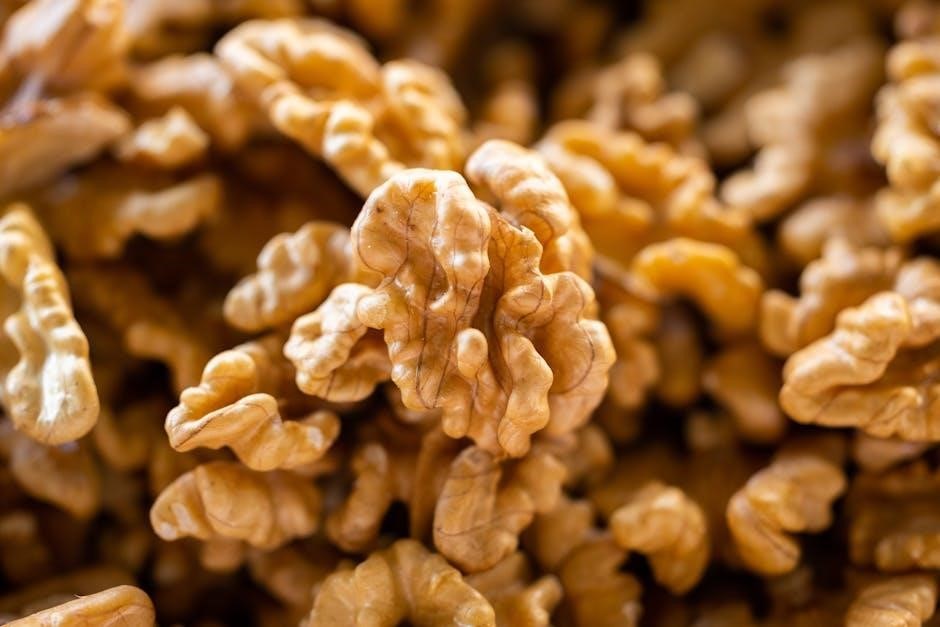
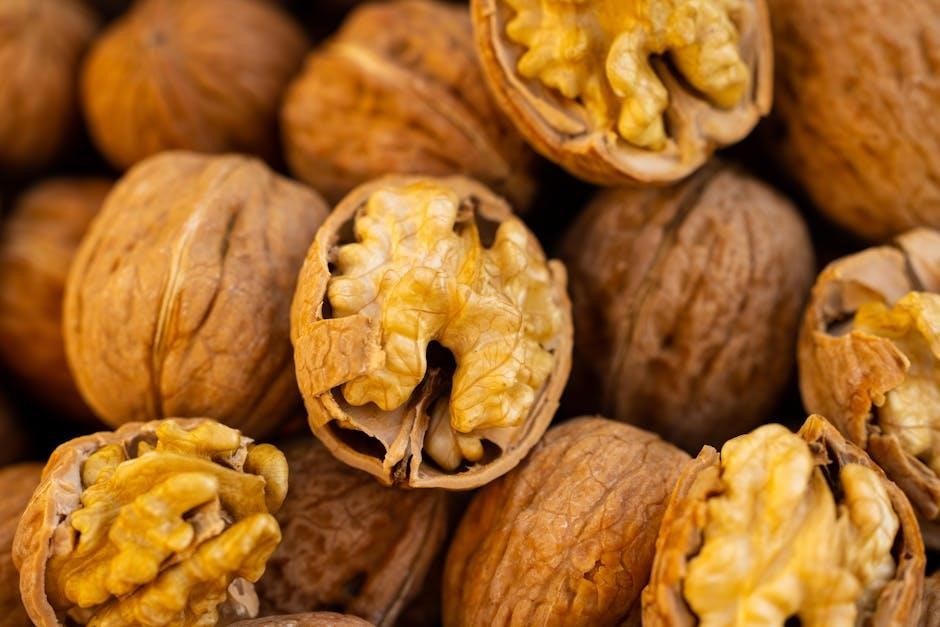
Excellent sources include fatty fish like salmon and mackerel, flaxseeds, chia seeds, and walnuts. Incorporating these into your diet can significantly bolster brain resilience and overall psychological wellbeing, as detailed in This Is Your Brain on Food.
Magnesium’s Role in Mood Regulation
Magnesium plays a vital role in over 300 enzymatic reactions within the body, including those governing neurotransmitter function and stress response. Dr. Naidoo emphasizes its connection to serotonin production, a key mood regulator. Deficiency is linked to increased anxiety, depression, and irritability.
Boost your intake with dark leafy greens, nuts, seeds, and dark chocolate. Prioritizing magnesium-rich foods, as advocated in This Is Your Brain on Food, can contribute to emotional stability and a calmer nervous system, fostering improved mental wellbeing.
The Importance of B Vitamins
B vitamins are crucial cofactors in the creation of neurotransmitters like dopamine, serotonin, and GABA, all essential for mood regulation and cognitive function. Dr. Naidoo highlights that deficiencies in B vitamins – particularly B12, folate, and B6 – can manifest as depression, fatigue, and cognitive decline.
Include sources like eggs, poultry, fish, and leafy greens in your diet. As detailed in This Is Your Brain on Food, optimizing B vitamin levels supports optimal brain health and emotional resilience.

Foods to Boost Your Mood
Dr. Naidoo emphasizes incorporating mood-enhancing foods like berries, dark chocolate, and fermented options to nourish the gut-brain connection and elevate wellbeing.
Berries and Their Antioxidant Power
Dr. Naidoo highlights berries – blueberries, strawberries, raspberries – as nutritional powerhouses for brain health. These vibrant fruits are packed with antioxidants, combating oxidative stress and inflammation, key factors in mood disorders.
Specifically, she notes blueberries can aid recovery from trauma, showcasing their remarkable neuroprotective qualities. Regular berry consumption supports cognitive function, enhances memory, and contributes to a more positive emotional state. They are a simple, delicious way to nourish your brain!
Dark Chocolate and Endorphin Release
Dr. Naidoo champions dark chocolate (70% cacao or higher) as a mood-boosting treat, explaining its ability to stimulate endorphin release – natural mood elevators. This isn’t simply a pleasurable experience; it’s a biochemical reaction benefiting brain health.
Furthermore, dark chocolate contains flavonoids, potent antioxidants protecting brain cells from damage. Enjoying a small portion can reduce stress, improve focus, and contribute to overall emotional wellbeing, making it a guilt-free indulgence.
Fermented Foods for Gut Health
Dr. Naidoo emphasizes the crucial role of fermented foods – like yogurt, kefir, kimchi, and sauerkraut – in nurturing a healthy gut microbiome. These foods are rich in probiotics, beneficial bacteria that directly impact the gut-brain axis.
A thriving gut microbiome enhances neurotransmitter production, influencing mood, cognition, and even reducing anxiety. Incorporating fermented foods regularly supports optimal brain function and contributes to improved mental resilience, as highlighted in the book.
Foods to Avoid for Optimal Brain Function
Dr. Naidoo cautions against processed foods, excessive sugar, and artificial sweeteners, as they trigger inflammation and negatively impact neurological health.
Processed Foods and Inflammation
Dr. Naidoo emphasizes that highly processed foods are detrimental to brain health due to their inflammatory nature. These items, often laden with unhealthy fats, refined sugars, and artificial additives, contribute to systemic inflammation within the body.
This inflammation directly impacts the brain, potentially exacerbating symptoms of mood disorders like depression and anxiety. Reducing or eliminating processed foods—including fast food, packaged snacks, and sugary drinks—is a crucial step towards fostering a calmer, more resilient mind, according to the book’s insights.
Sugar’s Impact on Mood Swings
According to Dr. Naidoo, excessive sugar consumption significantly disrupts emotional stability, triggering rapid spikes and subsequent crashes in blood glucose levels. These fluctuations directly correlate with noticeable mood swings, irritability, and feelings of anxiety.
The book details how sugar impacts neurotransmitter function, hindering the brain’s ability to regulate mood effectively. Reducing added sugars—found in sweets, processed foods, and even seemingly healthy items—is vital for achieving consistent emotional wellbeing and mental clarity.
The Effects of Artificial Sweeteners
Dr. Naidoo cautions against relying on artificial sweeteners as a healthy alternative to sugar, explaining they can negatively impact brain function and mood. These substances disrupt the gut microbiome, potentially leading to inflammation and affecting neurotransmitter production.
The book highlights research suggesting artificial sweeteners may even worsen symptoms of depression and anxiety; Prioritizing whole, naturally sweet foods like fruits in moderation is a far more beneficial approach for sustained mental wellbeing.
Specific Mental Health Conditions & Dietary Approaches
The book details tailored nutritional strategies for conditions like depression, anxiety, PTSD, OCD, ADHD, and more, emphasizing food’s therapeutic potential.
Dietary Strategies for Depression
Dr. Naidoo emphasizes a diet rich in omega-3 fatty acids, found in fatty fish, flaxseeds, and walnuts, to support brain function and mood stabilization. Increasing magnesium intake, through leafy greens and dark chocolate, is also crucial for regulating neurotransmitters.
Prioritizing B vitamins, present in whole grains and lean proteins, aids in nerve cell health. The book advocates for minimizing processed foods, sugar, and artificial sweeteners, as these can exacerbate depressive symptoms through inflammation and mood swings.
Nutrition for Anxiety Management
Dr. Naidoo suggests incorporating foods that promote a calm nervous system, such as berries, rich in antioxidants, to combat oxidative stress linked to anxiety. Fermented foods, like yogurt and kefir, nurture gut health, influencing the gut-brain axis and reducing anxiety symptoms.
Magnesium-rich foods, including spinach and pumpkin seeds, are highlighted for their calming effects. Avoiding caffeine, alcohol, and processed sugars is vital, as these can trigger or worsen anxiety. Hydration also plays a key role in maintaining emotional balance.
Food and PTSD Recovery
Dr. Naidoo emphasizes that nutritional interventions can support healing from Post-Traumatic Stress Disorder (PTSD). Blueberries, with their flavonoid content, are specifically noted for aiding memory reconsolidation, potentially lessening the impact of traumatic memories.
Prioritizing omega-3 fatty acids, found in fatty fish, can help regulate the stress response. A diet rich in complex carbohydrates and protein stabilizes blood sugar, minimizing mood swings. Avoiding processed foods and sugar is crucial for reducing inflammation and promoting neurological recovery.
The Science Behind Nutritional Psychiatry
Nutritional psychiatry explores how food impacts neurotransmitter synthesis and brain function, revealing the profound connection between diet and mental health outcomes.
Neurotransmitters and Food
The intricate relationship between food and neurotransmitters—like serotonin, dopamine, and GABA—is central to nutritional psychiatry. These chemical messengers profoundly influence mood, sleep, and cognitive function. Specific nutrients act as precursors for neurotransmitter production; for example, tryptophan in turkey supports serotonin synthesis.
Dr. Naidoo emphasizes that a diet lacking essential nutrients can disrupt neurotransmitter balance, potentially contributing to mental health challenges. Conversely, consuming nutrient-rich foods can optimize brain chemistry, fostering emotional stability and improved mental clarity.
Inflammation and Mental Health
Chronic inflammation is increasingly recognized as a significant factor in the development of various mental health conditions. Dr. Naidoo highlights how a diet high in processed foods, sugar, and unhealthy fats can trigger systemic inflammation, impacting brain function.
This inflammation can disrupt neurotransmitter pathways and contribute to symptoms of depression, anxiety, and other disorders. Conversely, an anti-inflammatory diet rich in fruits, vegetables, and omega-3 fatty acids can help protect the brain and promote mental wellbeing.

Practical Application: Building a Brain-Healthy Diet
Dr. Naidoo provides actionable strategies, including meal planning and delicious recipes, to seamlessly integrate brain-boosting nutrients into your daily eating habits.
Meal Planning Tips
To begin, prioritize whole, unprocessed foods – think vibrant fruits, vegetables, lean proteins, and healthy fats. Dr. Naidoo emphasizes planning meals around these nutrient-dense options. Batch cooking on weekends can save time during busy weeks, ensuring healthy choices are readily available.
Consider incorporating “mood-boosting” foods like berries and dark chocolate into your weekly plan. Don’t forget fermented foods for gut health! Focus on mindful eating, paying attention to how different foods make you feel, not just taste. Preparation is key to success!
Recipe Ideas from the Book
Dr. Naidoo’s book features recipes designed to nourish both body and mind. Expect vibrant salads packed with leafy greens and berries, supporting antioxidant intake. She includes recipes utilizing omega-3 rich salmon, promoting brain health.
Look for dishes incorporating turmeric, known for its anti-inflammatory properties. The book also offers ideas for gut-friendly fermented food creations. Many recipes emphasize simple preparation, making brain-boosting nutrition accessible for everyday life, and delicious too!
Beyond Diet: Lifestyle Factors
Optimal brain health extends beyond nutrition; prioritizing sufficient sleep and regular physical exercise are crucial components of a holistic wellness strategy.
The Importance of Sleep
Dr. Naidoo emphasizes that sleep is not merely downtime, but a vital period for brain restoration and emotional processing. Consistent, quality sleep allows the brain to clear toxins accumulated during waking hours, impacting mood and cognitive function.
Insufficient sleep disrupts neurotransmitter balance, exacerbating symptoms of anxiety and depression. Prioritizing 7-9 hours of restful sleep each night, alongside a brain-healthy diet, creates a synergistic effect, bolstering mental resilience and overall wellbeing. Establishing a regular sleep schedule is key.
Exercise and Brain Health
Dr. Naidoo highlights exercise as a potent mood booster, rivaling the effects of some medications. Physical activity stimulates the release of endorphins, natural mood lifters, and increases blood flow to the brain, enhancing cognitive function.
Regular exercise also promotes neuroplasticity, the brain’s ability to form new connections, crucial for learning and adapting. Aim for at least 30 minutes of moderate-intensity exercise most days of the week to reap these significant mental health benefits, complementing a nutritious diet.
Understanding Food Sensitivities
Identifying hidden food triggers is key; an elimination diet, guided by a professional, can pinpoint sensitivities impacting mood and cognitive function.
Identifying Potential Triggers
Dr. Naidoo emphasizes that food sensitivities differ from allergies, often manifesting subtly as mood disturbances or cognitive fog. Common culprits include gluten, dairy, and processed foods, but individual reactions vary greatly. Keeping a detailed food and symptom journal is crucial, noting not just what you eat, but how you feel afterward – mentally and physically.
Pay attention to recurring patterns; seemingly innocuous foods might be silently fueling inflammation and impacting brain function. Consider factors like timing – symptoms may appear hours or even days after consumption. Recognizing these potential triggers is the first step towards a brain-healthy diet.
Elimination Diet Considerations
An elimination diet, guided by a healthcare professional, systematically removes potential trigger foods for a set period – typically 2-3 weeks – to assess their impact. Reintroduction follows, adding foods back one at a time while carefully monitoring for symptom recurrence.
Dr. Naidoo cautions against restrictive, long-term elimination without professional guidance, as it can lead to nutrient deficiencies. Focus on whole, unprocessed foods during the elimination phase, and prioritize mindful eating to accurately gauge your body’s response.

The Role of Hydration
Adequate water intake is crucial for optimal cognitive function, supporting neurotransmitter production and nutrient delivery to the brain, enhancing mental clarity.
Water Intake and Cognitive Function
Maintaining proper hydration significantly impacts brain performance, influencing concentration, memory, and overall cognitive abilities. Dehydration, even mild, can lead to noticeable declines in mood and focus. This is because the brain is composed of approximately 73% water, making it exceptionally sensitive to fluid levels.
Dr. Naidoo emphasizes that sufficient water intake supports efficient neurotransmitter function and nutrient transport, vital for optimal brain health. Prioritizing hydration throughout the day is a simple yet powerful strategy for bolstering mental wellbeing and cognitive resilience;

Supplements to Consider
Dr. Naidoo suggests Vitamin D and probiotics as potential supplements, addressing deficiencies and supporting gut health for enhanced mental wellbeing and brain function.
Vitamin D Supplementation
Vitamin D deficiency is surprisingly common and strongly linked to mood disorders, including depression. Dr; Naidoo emphasizes the importance of checking Vitamin D levels through blood tests, as supplementation should be personalized based on individual needs. Optimal levels support neurotransmitter function and overall brain health.
She recommends considering supplementation, particularly during winter months or for those with limited sun exposure, but stresses consulting a healthcare professional to determine the appropriate dosage. Too much Vitamin D can also be harmful, so guided supplementation is key.
Probiotic Supplementation
Dr. Naidoo highlights the crucial role of a healthy gut microbiome in mental wellbeing, making probiotic supplementation a valuable consideration. Probiotics introduce beneficial bacteria, supporting gut health and influencing the gut-brain axis. She advises choosing a high-quality probiotic with diverse strains.
However, she cautions that not all probiotics are created equal, and individual responses vary. Starting with a lower dose and monitoring for any digestive changes is recommended. Combining probiotics with prebiotic-rich foods further enhances their effectiveness.

Addressing Common Dietary Concerns
Dr. Naidoo thoughtfully addresses varied dietary needs, including vegetarian, vegan, and gluten-free lifestyles, ensuring brain health is attainable for everyone.
Vegetarian and Vegan Brain Health
For those following plant-based diets, ensuring adequate nutrient intake is crucial for optimal brain function. Dr. Naidoo emphasizes the importance of B12, iron, zinc, and omega-3 fatty acids, often requiring supplementation;
She highlights that careful planning is essential to avoid deficiencies that could negatively impact mood and cognitive abilities. Focusing on nutrient-dense foods like legumes, seeds, and fortified products supports a healthy brain, even without meat consumption.
Gluten-Free Diets and Mental Wellbeing
Dr. Naidoo explores the connection between gluten sensitivity and mental health, noting that some individuals experience mood improvements when eliminating gluten. She clarifies this isn’t a blanket recommendation, but rather a consideration for those with diagnosed sensitivities or autoimmune conditions.
Inflammation triggered by gluten can impact brain function in susceptible individuals. A trial elimination diet, under professional guidance, can help determine if gluten is a contributing factor to mental health challenges.
The Future of Nutritional Psychiatry
Ongoing research promises personalized nutrition plans, tailoring diets to individual brain chemistry and genetic predispositions for optimal mental health outcomes.
Ongoing Research and Discoveries
The field of nutritional psychiatry is rapidly evolving, with scientists continually uncovering new connections between specific nutrients and brain function. Current studies are investigating the impact of the gut microbiome on neurotransmitter production, exploring how different food compounds influence inflammation and neuroplasticity.
Researchers are also delving into the potential of personalized nutrition, utilizing genetic testing and individual metabolic profiles to create tailored dietary recommendations. This emerging area aims to optimize mental wellbeing by addressing unique nutritional needs, moving beyond generalized dietary advice.
Personalized Nutrition Approaches
Moving beyond one-size-fits-all diets, personalized nutrition considers individual biochemistry, genetics, and gut microbiome composition. Utilizing tools like food sensitivity testing and genetic analysis, tailored plans emerge. These approaches identify specific triggers and nutrient deficiencies impacting mental health.
Dr. Naidoo emphasizes that optimal brain health isn’t solely about avoiding “bad” foods, but discovering what your brain uniquely thrives on, fostering a more effective and sustainable dietary strategy.
Resources and Further Reading
Explore Dr. Naidoo’s website for recipes, articles, and insights, alongside related books delving deeper into nutritional psychiatry and brain-boosting diets.
Dr. Naidoo’s Website and Social Media
For a wealth of information and practical application of the principles outlined in This Is Your Brain on Food, visit Dr. Uma Naidoo’s official website. There, you’ll discover weekly mood food ideas, insightful articles, and delicious recipes designed to nourish your brain and enhance your mental wellbeing.
Additionally, connect with Dr. Naidoo on social media platforms to stay updated on the latest research, engage in discussions, and receive ongoing support on your journey to nutritional psychiatry. Her pioneering work is readily accessible online!
Related Books and Articles
To further explore the fascinating field of nutritional psychiatry and deepen your understanding of the brain-food connection, consider delving into Dr. Naidoo’s other work, Calm Your Mind with Food. This expands upon the concepts introduced in This Is Your Brain on Food.
Numerous articles and research papers support the principles discussed within the book, focusing on the gut-brain axis, inflammation, and the impact of specific nutrients on mental health. Explore resources from Harvard Medical School for related insights!
Comments