Seoul Tour Guide: An In-Depth Exploration
Seoul welcomes visitors with customizable passes like the ‘Pick 3’, enhancing the ‘Discover Seoul Pass’ experience. The Seoul Tourism Organization provides essential tools for tourists.
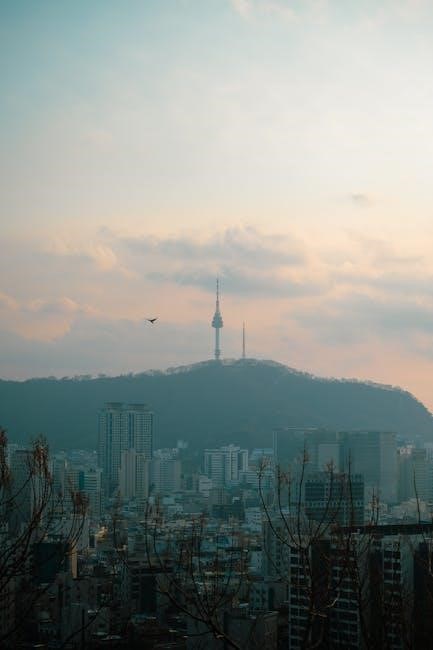
Seoul, South Korea’s vibrant capital, is a captivating blend of ancient traditions and cutting-edge modernity. This dynamic city offers an unforgettable experience for every traveler, from history buffs to shopping enthusiasts and foodies alike. The Seoul Tourism Organization actively promotes the city, offering convenient passes like the ‘Discover Seoul Pass’ and the new customizable ‘Pick 3 Pass’ to enhance visitor experiences.
Prepare to be immersed in a culture rich with palaces, temples, and bustling markets. Seoul seamlessly integrates its historical heritage with a forward-thinking spirit, evident in its innovative architecture, technological advancements, and thriving entertainment scene. Whether you’re exploring the serene Secret Garden or indulging in the energetic atmosphere of Myeongdong, Seoul promises a journey filled with discovery and delight. It’s a city that truly has something for everyone.
Historical Sites & Palaces
Seoul is steeped in history, boasting magnificent palaces and historical sites that offer a glimpse into Korea’s rich royal past. These landmarks are not merely relics; they are living testaments to centuries of tradition and architectural brilliance. Exploring these sites is essential for understanding the cultural heart of the city.
Key destinations include Gyeongbokgung Palace, the largest and arguably most beautiful of Seoul’s Five Grand Palaces, and Changdeokgung Palace, renowned for its stunning Secret Garden. Don’t miss the opportunity to wander through Bukchon Hanok Village, a preserved traditional Korean village offering a unique step back in time. The Seoul Tourism Organization facilitates access to these treasures, with passes potentially including entry fees, making exploration seamless and affordable for visitors.
Gyeongbokgung Palace
Gyeongbokgung Palace, Seoul’s largest and most spectacular royal palace, stands as a symbol of Korea’s enduring history. Originally built in 1395, it underwent numerous restorations, showcasing Joseon Dynasty architecture at its finest. Visitors can explore vast courtyards, elegant halls, and serene gardens, immersing themselves in royal life.
Highlights include the Geunjeongjeon, the throne hall where kings conducted state affairs, and the Gyeonghoeru Pavilion, a stunning structure built on a lotus pond for royal banquets. Witnessing the changing of the guard ceremony offers a captivating glimpse into traditional rituals. The palace grounds are expansive, allowing for a leisurely exploration. Utilizing the Discover Seoul Pass or the new Pick 3 Pass can streamline entry and enhance your experience at this iconic landmark.
Changdeokgung Palace & Secret Garden
Changdeokgung Palace, a UNESCO World Heritage site, offers a more intimate and naturally integrated palace experience than its grander counterpart, Gyeongbokgung. Built in 1405, it harmoniously blends with the surrounding landscape. The true gem, however, is the Secret Garden (Huwon), a meticulously landscaped rear garden reserved for the royal family.
Exploring the Secret Garden requires a guided tour, revealing hidden pavilions, tranquil ponds, and lush vegetation. It’s a haven of peace and beauty, showcasing traditional Korean garden design principles. The palace itself features stunning architecture and historical significance. Access to both the palace and Secret Garden can be conveniently included with the Discover Seoul Pass or the flexible Pick 3 Pass, making it a must-visit destination for any Seoul explorer.
Bukchon Hanok Village
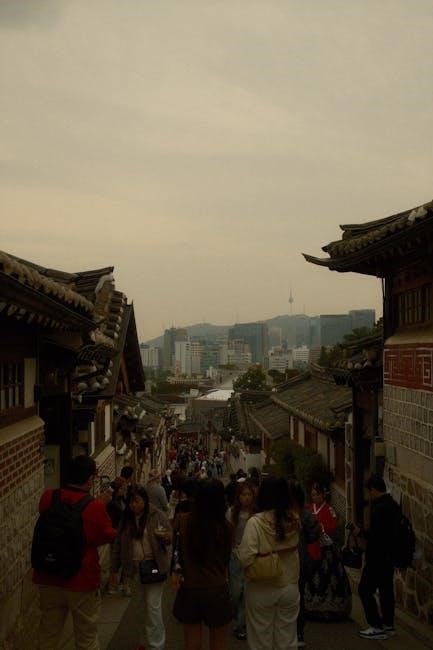
Bukchon Hanok Village is a beautifully preserved historic neighborhood nestled between Gyeongbokgung, Changdeokgung and Jongmyo shrines. It’s characterized by its traditional Korean houses, known as hanok, with their curved tiled roofs and charming alleyways. Walking through Bukchon feels like stepping back in time, offering a glimpse into Seoul’s past.
Many hanok have been transformed into tea houses, craft shops, and guesthouses, providing unique cultural experiences. Remember that people live in Bukchon, so respectful behavior is crucial – keep noise levels down and avoid trespassing on private property. The area is hilly, so comfortable shoes are recommended. Utilizing the Discover Seoul Pass or Pick 3 Pass can help with access to nearby attractions, complementing a visit to this picturesque village.
Modern Attractions & Entertainment
Seoul isn’t just about history; it’s a vibrant, modern metropolis brimming with entertainment. Myeongdong is a shopper’s paradise, famous for cosmetics, fashion, and street food. Gangnam, beyond its iconic style, offers upscale shopping, trendy cafes, and K-Pop entertainment agencies. For panoramic city views, N Seoul Tower, located in Namsan Park, is a must-visit.
Beyond these hotspots, explore the COEX Aquarium, Lotte World amusement park, or catch a performance at the Seoul Arts Center. Utilizing passes like the Discover Seoul Pass or the customizable Pick 3 Pass can provide cost-effective access to many of these attractions. Seoul’s nightlife is equally dynamic, with diverse bars and clubs catering to all tastes, making it a city that truly never sleeps.
Myeongdong Shopping District
Myeongdong is Seoul’s premier shopping destination, a bustling district renowned for its trendy fashion, cosmetics, and street food. This vibrant area attracts both locals and tourists seeking the latest Korean beauty products – often with free samples galore! Explore a maze of shops, from international brands to independent boutiques, offering everything from clothing and accessories to skincare and electronics.
Beyond shopping, Myeongdong is a culinary adventure. Street food stalls line the streets, offering tantalizing treats like tteokbokki (spicy rice cakes), hotteok (sweet pancakes), and Korean fried chicken. The area is easily accessible via subway, making it a convenient stop on any Seoul itinerary. Utilizing tourist passes can sometimes offer discounts at participating stores within the district.
Gangnam District – Beyond the Style
Gangnam is far more than just a trendy district popularized by a catchy song. While known for its upscale boutiques, entertainment companies, and stylish cafes, it offers a diverse range of experiences. Explore COEX Aquarium, one of South Korea’s largest aquariums, or visit the Starfield Library, a stunning public space with towering bookshelves.
Beyond the glamour, Gangnam boasts art galleries, plastic surgery clinics (a significant part of its economy), and delicious dining options. Luxury hotels cater to discerning travelers, while the area’s efficient subway system provides easy access to other parts of Seoul. Don’t miss the opportunity to experience the modern, sophisticated side of the city, and discover the cultural attractions hidden amongst the high-end shops.
N Seoul Tower & Namsan Park
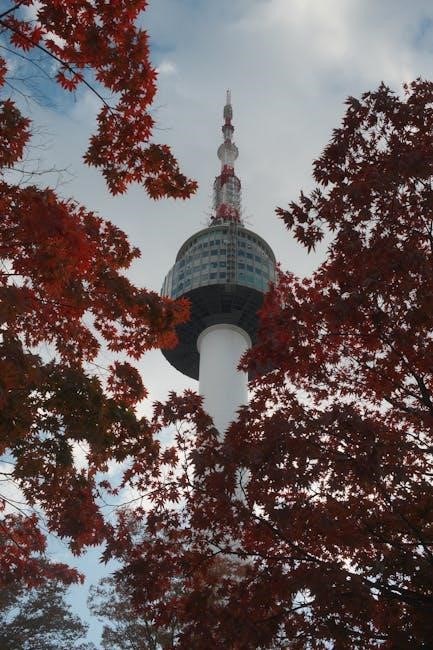
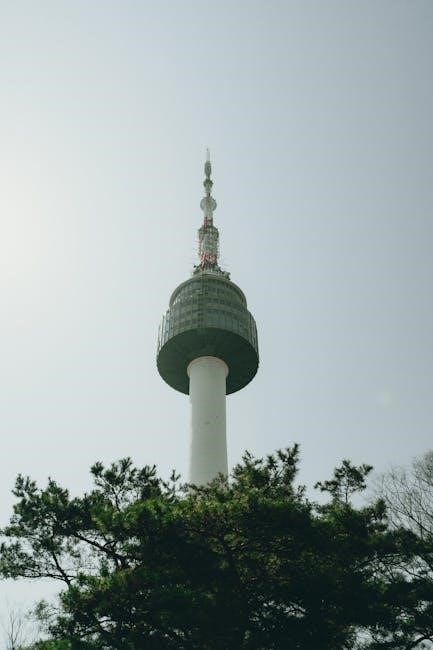
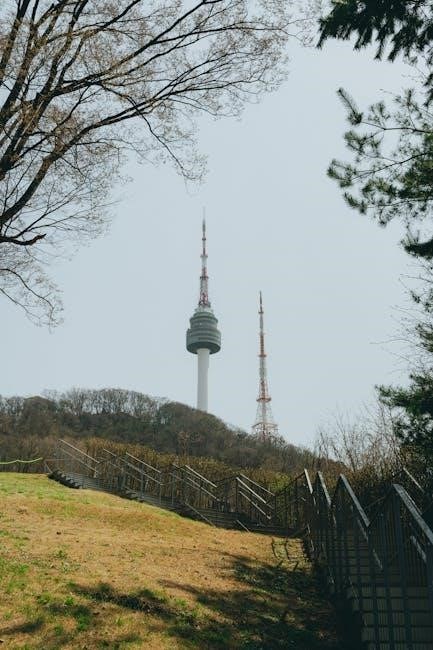
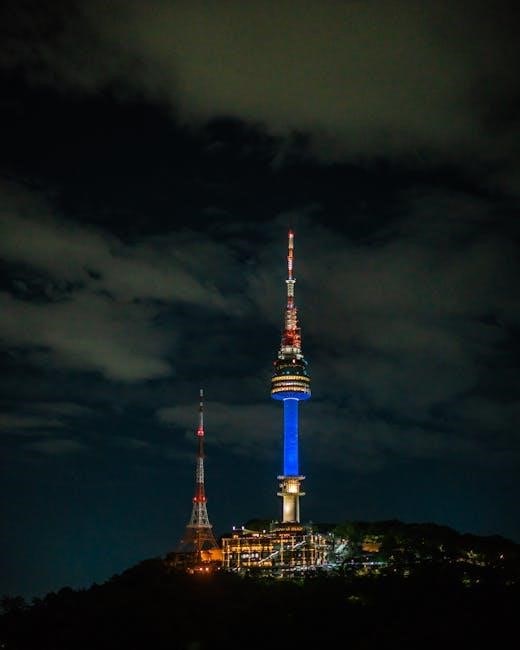
N Seoul Tower, perched atop Namsan Mountain, offers breathtaking panoramic views of the Seoul skyline. Reaching the tower involves a scenic cable car ride or a pleasant hike through Namsan Park, a sprawling green space popular with locals and tourists alike.
The park itself features walking trails, botanical gardens, and historical remnants, including sections of the old Seoul City Wall. At the tower, visitors can enjoy restaurants, observation decks, and the famous “love locks” where couples attach padlocks as a symbol of their affection. Whether you visit during the day for stunning vistas or at night for the illuminated city, N Seoul Tower and Namsan Park provide an unforgettable experience.
Cultural Experiences
Seoul offers a rich tapestry of cultural experiences for visitors seeking immersion in Korean traditions. Participate in a Traditional Korean Tea Ceremony, learning the art of preparing and enjoying tea with mindful etiquette and appreciating the serene atmosphere.
For a hands-on experience, join a Kimchi Making Class and discover the secrets behind Korea’s most iconic side dish, from fermentation techniques to ingredient selection. Alternatively, delve into the world of Korean cuisine with a Korean Cooking Class, mastering the preparation of beloved dishes like bulgogi or japchae. These activities provide unique insights into Korean heritage and offer memorable, interactive encounters with local customs and flavors.
Traditional Korean Tea Ceremony
Delve into the serene world of Korean tea culture with a traditional tea ceremony, a practice deeply rooted in history and philosophy. More than just a beverage, tea in Korea represents respect, harmony, and purity. Ceremonies often take place in tranquil tea houses, offering respite from the bustling city.
Experienced hosts guide participants through the meticulous steps of tea preparation, utilizing specific utensils and techniques. Learn about the different types of Korean teas – green tea, black tea, and herbal infusions – and their associated health benefits. The ceremony emphasizes mindful appreciation of the tea’s aroma, flavor, and the overall meditative experience. It’s a beautiful opportunity to connect with Korean traditions and find inner peace.
Kimchi Making Class
Immerse yourself in Korean culinary heritage by participating in a hands-on kimchi making class! Kimchi, a staple in the Korean diet, is a fermented vegetable dish renowned for its unique flavor and health benefits. These classes offer a fun and interactive way to learn the art of kimchi preparation from seasoned instructors.
You’ll discover the essential ingredients – Napa cabbage, Korean radish, gochugaru (chili powder), and various seasonings – and the traditional fermentation process. Many classes provide insights into the historical significance of kimchi and its cultural importance. Participants typically create their own batch of kimchi to take home, allowing you to savor the fruits of your labor and share a taste of Korea with friends and family. It’s a deliciously educational experience!
Korean Cooking Class
Delve deeper into Korean gastronomy with an engaging Korean cooking class! Beyond the famous kimchi, Korean cuisine boasts a diverse range of flavorful dishes. These classes provide a fantastic opportunity to learn the techniques and secrets behind preparing authentic Korean meals.
Expect to master essential cooking skills, from knife techniques to sauce preparation, and gain an understanding of Korean flavor profiles. Classes often focus on popular dishes like bibimbap, bulgogi, japchae, and various stews. Experienced instructors guide you through each step, ensuring a rewarding and delicious experience. Many classes conclude with a communal meal where you can enjoy the fruits of your labor alongside fellow food enthusiasts. It’s a truly immersive cultural and culinary adventure!
Food & Drink – A Culinary Journey
Seoul is a paradise for food lovers! Prepare your taste buds for an unforgettable culinary journey, ranging from bustling street food stalls to refined dining experiences. The city offers an incredible diversity of flavors and textures, promising something to satisfy every palate.
Explore the vibrant street food scenes in Myeongdong and Namdaemun, sampling delicacies like tteokbokki (spicy rice cakes), hotteok (sweet pancakes), and various skewers. Don’t miss the opportunity to indulge in a traditional Korean BBQ experience, grilling marinated meats at your table. Beyond BBQ, bibimbap, bulgogi, and a myriad of flavorful stews await discovery. Wash it all down with soju, makgeolli (rice wine), or a refreshing Korean tea. Seoul’s food scene is an integral part of its cultural identity!
Street Food in Myeongdong & Namdaemun
Myeongdong and Namdaemun markets are street food havens! These bustling districts offer an overwhelming, yet delightful, array of Korean snacks and treats. Prepare for a sensory overload of sights, smells, and incredible tastes.
Myeongdong is famous for its trendy and innovative street food, including tornado potatoes, cheese-covered lobster, and colorful ice cream. Namdaemun, Seoul’s oldest market, provides a more traditional experience, with vendors selling hotteok (sweet pancakes), kalguksu (knife-cut noodles), and various savory pancakes. Don’t be afraid to try something new – that’s part of the fun! Both locations are perfect for grazing and experiencing the energy of Seoul’s street life. Remember to bring cash, as many vendors don’t accept cards.
Korean BBQ Experience
A Korean BBQ (KBBQ) experience is a must-do in Seoul! It’s more than just a meal; it’s a social and interactive dining event. Typically, you’ll grill marinated meats – like bulgogi (thinly sliced beef) and galbi (marinated ribs) – directly at your table on a built-in grill.
Banchan, a selection of complimentary side dishes like kimchi, pickled vegetables, and sauces, accompany the meat. Wrap the grilled meat in lettuce leaves with some ssamjang (fermented soybean paste), garlic, and chili peppers for the authentic experience. Many restaurants offer different cuts of meat and marinades. KBBQ is best enjoyed with friends and family, sharing food and conversation. It’s a flavorful and fun way to immerse yourself in Korean culture!
Bibimbap & Other Traditional Dishes
Beyond Korean BBQ, Seoul’s culinary scene boasts a wealth of traditional dishes. Bibimbap, meaning “mixed rice,” is a colorful and flavorful staple – rice topped with seasoned vegetables, meat, a fried egg, and gochujang (chili pepper paste). It’s often served in a hot stone bowl (dolsot bibimbap) for a crispy rice crust.
Other must-tries include japchae (glass noodle stir-fry), bulgogi (marinated beef), tteokbokki (spicy rice cakes), and various flavorful stews like kimchi jjigae. Don’t forget to explore the diverse range of soups and noodle dishes! Many restaurants specialize in specific dishes, offering authentic and regional variations. Exploring these flavors provides a deeper understanding of Korean culture and history, making your Seoul experience truly memorable.
Transportation in Seoul
Navigating Seoul is remarkably efficient thanks to its comprehensive public transportation system. The Seoul Subway is extensive, clean, and affordable, with lines color-coded for easy use. Transfers are generally smooth, and signage is available in English and Korean.
Beyond the subway, a robust bus network covers the entire city. Taxis are readily available, though can be more expensive during peak hours. Consider utilizing the Discover Seoul Pass or Pick 3 Pass, which may include transportation benefits. These passes offer cost-effective access to attractions and potentially, public transport. For tourists, these passes simplify travel and provide significant savings, allowing for seamless exploration of Seoul’s diverse neighborhoods and attractions.
Seoul Subway System
The Seoul Subway is the backbone of the city’s transportation, boasting over 300 stations and numerous lines. It’s renowned for its cleanliness, efficiency, and user-friendliness, even for first-time visitors. Lines are numbered and color-coded, making navigation straightforward.
Transferring between lines is generally seamless, with well-marked connections. Signage is prominently displayed in Korean, English, and often Chinese and Japanese. T-money cards (rechargeable transit cards) are highly recommended for convenient travel, offering discounted fares and eliminating the need for individual tickets. The Discover Seoul Pass may also include subway access. Real-time information is available through apps and station displays, ensuring a smooth and reliable commuting experience throughout the sprawling metropolis.
Taxis & Bus Network
Beyond the incredibly efficient subway, Seoul offers a comprehensive taxi and bus network. Taxis are readily available, with various types including standard, deluxe, and international taxis with English-speaking drivers. While generally affordable, fares can increase during peak hours or inclement weather. Utilizing taxi apps can simplify communication and payment.
The bus network complements the subway, reaching areas not directly served by rail. However, navigating the bus system can be more challenging for non-Korean speakers. Bus routes are extensive, and buses are equipped with electronic displays indicating stops. T-money cards are also valid for bus travel, providing a convenient payment method. Both taxis and buses offer alternative transportation options, especially for shorter distances or when carrying luggage, contributing to Seoul’s accessible public transport system.
Discover Seoul Pass & Pick 3 Pass Options
The Discover Seoul Pass, directly operated by the Seoul Tourism Organization, is a popular all-in-one solution for visitors. It provides access to numerous attractions and free public transportation, streamlining sightseeing. Recognizing evolving tourist needs, the organization launched the Pick 3 Pass – a customizable and cost-effective alternative.
The Pick 3 Pass allows tourists to select three attractions from a curated list, creating a personalized experience tailored to their interests. This flexibility caters to diverse travel styles and budgets. Both passes are available as physical cards or mobile passes, offering convenience. Choosing the right pass depends on your itinerary; the Discover Seoul Pass suits extensive sightseeing, while the Pick 3 Pass is ideal for focused exploration, maximizing value and enjoyment during your Seoul adventure.
Accommodation Options
Seoul offers a diverse range of lodging to suit every traveler and budget. For luxury seekers, Gangnam District boasts world-class hotels with premium amenities and convenient access to upscale shopping and entertainment. Expect sophisticated design, impeccable service, and often, stunning city views.
Hongdae, known for its youthful energy and artistic vibe, provides numerous budget-friendly guesthouses. These offer a social atmosphere, often with shared facilities and a chance to connect with fellow travelers. For a truly immersive cultural experience, consider a traditional Hanok stay. These beautifully preserved Korean traditional houses offer a unique glimpse into the past, often located in charming neighborhoods like Bukchon Hanok Village, providing an authentic and memorable Seoul experience.
Luxury Hotels in Gangnam
Gangnam District is synonymous with upscale living, and its hotels reflect this prestige. The Park Hyatt Seoul offers breathtaking views and refined elegance, while the Grand InterContinental Seoul Parnas provides direct access to the COEX Convention & Exhibition Center. Expect impeccable service, world-class dining options, and state-of-the-art facilities.
The Shilla Seoul, though technically bordering Gangnam, is a landmark of luxury, renowned for its exceptional Korean hospitality and beautiful gardens. Many hotels feature extensive spa facilities, perfect for relaxation after a day of exploring. These establishments cater to discerning travelers seeking a sophisticated and comfortable stay, often providing concierge services to enhance their Seoul experience. Expect to pay a premium for these exceptional accommodations, but the experience is often worth the investment.
Budget-Friendly Guesthouses in Hongdae
Hongdae, known for its youthful energy and indie music scene, offers a plethora of affordable guesthouses perfect for budget-conscious travelers. These guesthouses provide a social atmosphere, often with common areas where guests can connect. Expect clean, comfortable accommodations, though amenities may be more basic than in luxury hotels.
Many guesthouses offer dormitory-style rooms alongside private options, catering to different preferences. Zzzip Guesthouse and Time Travelers Relax Guesthouse are popular choices, frequently praised for their friendly staff and convenient locations near Hongdae’s vibrant nightlife and artistic hubs. These options allow visitors to fully immerse themselves in Seoul’s culture without breaking the bank, providing a fantastic base for exploring the city. Booking in advance is recommended, especially during peak season.
Traditional Hanok Stay Experiences
Seoul offers a unique opportunity to immerse yourself in Korean history and culture with a stay in a traditional hanok. These beautifully preserved houses feature courtyards, wooden pillars, and paper windows, providing an authentic glimpse into the past. Several neighborhoods, like Bukchon Hanok Village, specialize in hanok accommodations.
Staying in a hanok isn’t just about the architecture; it’s about experiencing a different way of life. Many hanoks offer traditional Korean breakfasts and opportunities to participate in cultural activities like tea ceremonies. While often simpler than modern hotels, they provide a serene and memorable experience. Expect underfloor heating (ondol) in winter, keeping you cozy. Options range from budget-friendly guesthouses to more luxurious hanok stays, offering a truly immersive cultural journey within Seoul.
Comments