Seoul Tour Guide: An In-Depth Exploration
Seoul beckons with vibrant culture‚ historical palaces‚ and modern marvels! The Seoul Tourism Organization offers passes like Discover Seoul Pass and the new Pick 3 Pass‚ enhancing your journey.
Seoul‚ South Korea’s dynamic capital‚ is a mesmerizing blend of ancient traditions and cutting-edge modernity. This sprawling metropolis‚ home to over 10 million people‚ offers an unparalleled travel experience‚ captivating visitors with its rich history‚ vibrant culture‚ and innovative spirit. From majestic palaces and serene temples to bustling markets and sleek skyscrapers‚ Seoul presents a fascinating contrast at every turn.
The Seoul Tourism Organization actively promotes the city as a premier destination‚ offering resources and convenient passes like the Discover Seoul Pass to enhance exploration. Whether you’re a history buff‚ a foodie‚ a shopaholic‚ or simply seeking a unique cultural immersion‚ Seoul promises an unforgettable adventure. Prepare to be enchanted by its energy and discover why Seoul is a must-visit city!
Why Visit Seoul?
Seoul offers a uniquely compelling travel experience. History comes alive within the walls of Gyeongbokgung Palace and the traditional Bukchon Hanok Village‚ while modern marvels like the N Seoul Tower provide breathtaking panoramic views. The city is a shopper’s paradise‚ particularly in Myeongdong‚ famed for its fashion and cosmetics.
Beyond the sights‚ Seoul’s culinary scene is a major draw‚ from sizzling Korean BBQ to flavorful street food. The Seoul Tourism Organization’s passes‚ including the customizable Pick 3 Pass‚ make exploring affordable and convenient. Seoul’s blend of ancient and contemporary‚ coupled with its welcoming atmosphere‚ creates an unforgettable journey for every traveler. It’s a city that truly has something for everyone!
Planning Your Trip to Seoul
Seoul requires careful planning! Consider visa needs‚ optimal travel times‚ and airport transportation options for a smooth experience with passes like Discover Seoul Pass.
Best Time to Visit Seoul
Seoul experiences four distinct seasons‚ each offering a unique charm. Spring (April-May) and Autumn (September-October) are generally considered the best times to visit. During spring‚ cherry blossoms paint the city in delicate hues‚ creating picturesque scenery perfect for exploring palaces and parks. Autumn boasts pleasant temperatures and vibrant foliage‚ ideal for hiking and enjoying outdoor activities.
Summer (June-August) can be hot and humid‚ with monsoon season typically occurring in July. However‚ it’s a lively time with festivals and events. Winter (November-March) is cold and dry‚ with occasional snowfall‚ offering opportunities for skiing and winter sports. Regardless of when you choose to visit‚ utilizing tourist passes like the Discover Seoul Pass can enhance your experience by providing access to attractions and transportation.
Visa Requirements for Seoul
Visa requirements for Seoul‚ South Korea‚ depend heavily on your nationality and the purpose/length of your stay. Many nationalities‚ including those from the United States‚ Canada‚ Australia‚ and most European countries‚ can enter South Korea for tourism or short-term business (typically up to 90 days) without a visa under a visa waiver program.
However‚ it’s crucial to verify your specific eligibility on the Korean Immigration Service website (hikorea.go.kr) before your trip. If you plan to stay longer than the permitted period‚ or for purposes other than tourism or short-term business (like study or employment)‚ you will likely need to apply for the appropriate visa in advance through a Korean embassy or consulate. Utilizing resources like the Discover Seoul Pass doesn’t affect visa requirements‚ so ensure you’ve met those criteria independently.
Getting to Seoul: Airports & Transportation
Seoul is primarily served by two major international airports: Incheon International Airport (ICN)‚ the larger and more common gateway‚ and Gimpo International Airport (GMP)‚ closer to the city center but handling mostly domestic and regional flights. From Incheon‚ the Airport Railroad Express (AREX) provides a swift connection to Seoul Station. Alternatively‚ airport limousine buses offer convenient door-to-door service to major hotels.
Gimpo Airport is easily accessible via subway and local buses. Once in Seoul‚ the city boasts an incredibly efficient and extensive public transportation system‚ including a comprehensive subway network and bus routes. Taxis are readily available‚ though can be more expensive during peak hours. Utilizing passes like the Discover Seoul Pass doesn’t cover airport transfers‚ so factor those costs into your travel budget.
Accommodation in Seoul
Seoul offers diverse lodging‚ from luxury hotels to budget-friendly hostels. Popular areas include Myeongdong‚ Gangnam‚ and Hongdae‚ each with unique vibes.
Luxury Hotels in Seoul
Seoul boasts a stunning array of luxury hotels catering to discerning travelers. These establishments redefine opulence‚ offering impeccable service and world-class amenities. The Shilla Seoul consistently ranks among the best‚ known for its elegant design and exceptional dining experiences.
For breathtaking city views‚ the Four Seasons Hotel Seoul provides a sophisticated retreat. Guests can indulge in a rejuvenating spa treatment or savor exquisite cuisine. The Grand Hyatt Seoul‚ nestled on Namsan Mountain‚ offers a tranquil escape with panoramic vistas.

The Ritz-Carlton‚ Seoul exemplifies timeless elegance‚ while the Signiel Seoul‚ located in the Lotte World Tower‚ provides unparalleled luxury and access to stunning cityscapes. Expect spacious rooms‚ state-of-the-art facilities‚ and personalized attention at these premier hotels.
Budget-Friendly Hostels & Guesthouses
Seoul caters wonderfully to budget travelers with a vibrant hostel and guesthouse scene. These options provide affordable accommodation without sacrificing comfort or convenience. Areas like Hongdae and Myeongdong are hotspots for finding economical stays.
Zzzip Guesthouse is a popular choice‚ known for its friendly atmosphere and central location. Kimchee Guesthouse offers clean‚ comfortable rooms and helpful staff. For a social experience‚ consider Hostel Korea‚ which organizes various activities and tours.
Many guesthouses provide shared kitchen facilities‚ allowing you to save on dining costs. Expect dorm rooms and private rooms‚ often with shared bathrooms. These establishments are perfect for solo travelers and those seeking a community vibe‚ offering a fantastic way to experience Seoul without breaking the bank.
Neighborhoods to Stay in Seoul: Myeongdong‚ Gangnam‚ Hongdae
Seoul offers diverse neighborhoods‚ each with a unique vibe. Myeongdong is a shopper’s paradise‚ bustling with cosmetics stores and street food‚ ideal for those seeking energy and convenience. Expect lively crowds and easy access to transportation.
Gangnam embodies luxury and trendsetting style‚ famous for its upscale boutiques‚ entertainment venues‚ and K-Pop influence. It’s a great choice for experiencing modern Seoul and enjoying a sophisticated atmosphere.
Hongdae pulses with youthful creativity‚ centered around Hongik University. This area boasts indie music clubs‚ art galleries‚ and unique cafes‚ attracting students and artists. It’s perfect for a vibrant‚ alternative experience. Choosing depends on your interests – shopping‚ luxury‚ or artistic flair!
Must-See Attractions in Seoul
Seoul’s attractions range from majestic Gyeongbokgung Palace to the panoramic N Seoul Tower! Explore Bukchon Hanok Village and vibrant Myeongdong and Insadong.
Gyeongbokgung Palace: History & Beauty
Gyeongbokgung Palace‚ the largest and arguably most beautiful of Seoul’s Five Grand Palaces‚ stands as a testament to Korea’s rich history and architectural prowess. Originally constructed in 1395‚ during the Joseon Dynasty‚ it served as the main royal palace for centuries. Sadly‚ it faced destruction during invasions but underwent meticulous restoration efforts.
Today‚ visitors can wander through its expansive grounds‚ admiring the stunning architecture of the throne halls‚ royal residences‚ and serene gardens. Don’t miss the Geunjeongjeon‚ the throne hall where kings conducted state affairs‚ and the picturesque Hyangwonjeong pavilion‚ nestled within a lotus pond. Witnessing the changing of the guard ceremony offers a captivating glimpse into Joseon-era royal traditions. Exploring Gyeongbokgung is a journey back in time‚ offering a profound appreciation for Korean heritage and artistry.
Bukchon Hanok Village: Traditional Korean Houses
Bukchon Hanok Village offers a captivating step back in time‚ showcasing hundreds of beautifully preserved traditional Korean houses‚ known as hanoks. Nestled between Gyeongbokgung Palace and Changdeokgung Palace‚ this charming neighborhood’s winding alleyways and sloping roofs create a picturesque scene. Many hanoks have been transformed into tea houses‚ craft shops‚ and guesthouses.
Wandering through Bukchon allows visitors to experience a tangible connection to Korea’s architectural heritage. Remember to be respectful of residents as it’s a living neighborhood! Explore the narrow streets‚ admire the intricate details of the hanoks‚ and perhaps enjoy a traditional tea ceremony. It’s a photographer’s dream and a peaceful escape from the bustling city‚ offering a unique cultural immersion.
N Seoul Tower: Panoramic City Views
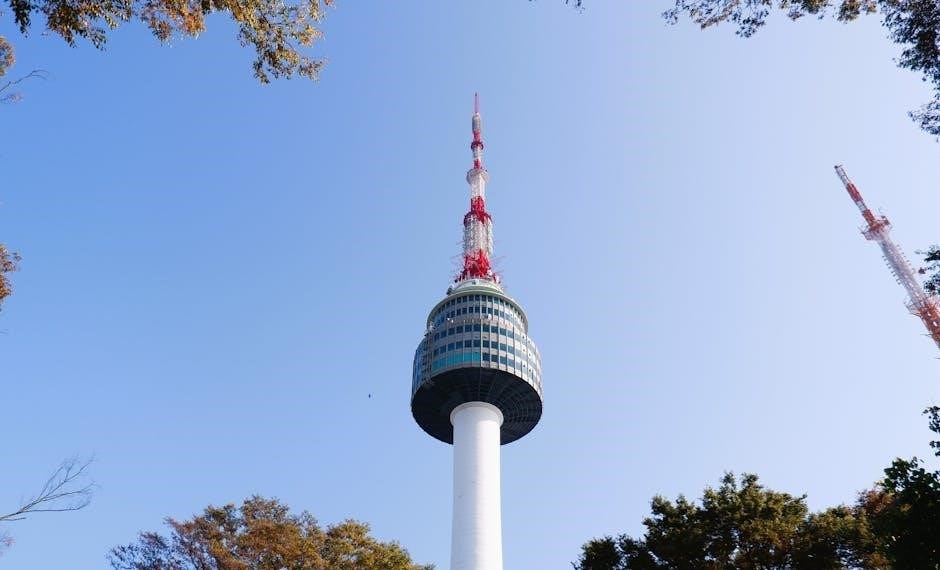
N Seoul Tower‚ perched atop Namsan Mountain‚ is an iconic landmark offering breathtaking panoramic views of the Seoul skyline. Reached by cable car or bus‚ the tower provides an unforgettable experience‚ especially at sunset and night when the city lights twinkle below. Beyond the observation deck‚ visitors can explore various attractions‚ including restaurants‚ cafes‚ and the famous “Locks of Love” area.
Couples often attach padlocks to the fences‚ symbolizing their eternal love. The tower also features art exhibitions and seasonal events. Whether you’re seeking a romantic outing or simply stunning vistas‚ N Seoul Tower is a must-visit destination. Allow ample time to enjoy the views and explore the surrounding Namsan Park‚ a beautiful green space perfect for a leisurely stroll.
Myeongdong Shopping Street: Fashion & Cosmetics
Myeongdong is a shopper’s paradise‚ renowned for its trendy fashion‚ cutting-edge cosmetics‚ and vibrant street food scene. This bustling district is a haven for beauty enthusiasts‚ boasting flagship stores of popular Korean skincare and makeup brands. From high-end department stores to independent boutiques‚ Myeongdong caters to all tastes and budgets.
Beyond cosmetics‚ you’ll find a wide array of clothing‚ accessories‚ and shoes. Street vendors add to the energetic atmosphere‚ offering everything from socks and phone cases to delicious snacks. Be prepared for crowds‚ especially during peak hours and weekends! Myeongdong is also a great place to experience the energy of Seoul’s youth culture and discover the latest trends. Don’t forget to bargain!
Insadong: Traditional Crafts & Tea Houses
Insadong offers a serene escape from Seoul’s bustling modernity‚ showcasing traditional Korean crafts‚ art galleries‚ and charming tea houses. Wander through the narrow alleyways lined with shops selling ceramics‚ hanji (traditional Korean paper)‚ calligraphy supplies‚ and unique souvenirs. It’s a perfect place to find authentic gifts and immerse yourself in Korean culture.
The area is also famous for its traditional tea houses‚ where you can savor a variety of Korean teas and snacks in a peaceful setting. Many tea houses feature beautiful courtyards and traditional Korean architecture. Insadong provides a glimpse into Korea’s artistic heritage and offers a relaxing contrast to the city’s more energetic districts. Explore the Ssamziegil complex for a unique shopping experience!
Seoul Food & Drink
Seoul’s culinary scene is a delight! Savor Korean BBQ‚ explore vibrant street food like tteokbokki and hotteok‚ and enjoy traditional Korean tea in cozy cafes.
Korean BBQ: A Culinary Experience
Korean BBQ (KBBQ) is more than just a meal; it’s a social and interactive dining experience central to Seoul’s food culture. Diners grill marinated meats – typically beef (bulgogi‚ galbi) and pork (samgyeopsal) – directly at their table on a built-in grill.
The process is accompanied by an array of banchan (side dishes)‚ including kimchi‚ pickled vegetables‚ and sauces. Lettuce wraps‚ garlic‚ and chili paste (ssamjang) are essential for creating flavorful bites. Expect a lively atmosphere‚ shared plates‚ and plenty of conversation.
Numerous KBBQ restaurants cater to all budgets‚ from all-you-can-eat options to premium establishments featuring high-quality cuts of meat. It’s a must-try for any visitor wanting an authentic taste of Korea!
Street Food in Seoul: Tteokbokki‚ Hotteok & More
Seoul’s street food scene is a vibrant explosion of flavors and aromas‚ offering affordable and delicious bites on every corner. Tteokbokki‚ spicy rice cakes simmered in a gochujang-based sauce‚ is a quintessential Korean street snack – a fiery and satisfying treat.
Hotteok‚ sweet pancakes filled with brown sugar‚ cinnamon‚ and nuts‚ provides a warm and comforting contrast. Other popular options include odeng (fish cakes on skewers)‚ gimbap (Korean seaweed rice rolls)‚ and various fried snacks;
Myeongdong‚ Namdaemun Market‚ and Gwangjang Market are prime locations to explore this culinary adventure. Don’t be afraid to try something new – Seoul’s street food is a delightful way to experience local tastes and culture!
Traditional Korean Tea & Cafes
Seoul offers a serene escape from the bustling city through its traditional Korean tea houses and modern cafes. Experience the art of Korean tea ceremony‚ focusing on mindfulness and appreciating delicate flavors. Traditional teas like yujacha (citron tea) and boricha (barley tea) are popular choices‚ often served with traditional sweets.
Insadong is renowned for its charming tea houses‚ offering a peaceful ambiance and authentic experience. Beyond traditional teas‚ Seoul’s cafe culture is thriving‚ with themed cafes‚ dessert cafes‚ and stylish coffee shops abundant throughout neighborhoods like Hongdae and Gangnam.
These cafes provide a perfect spot to relax‚ people-watch‚ and enjoy a sweet treat or expertly brewed coffee‚ blending tradition with modern trends.
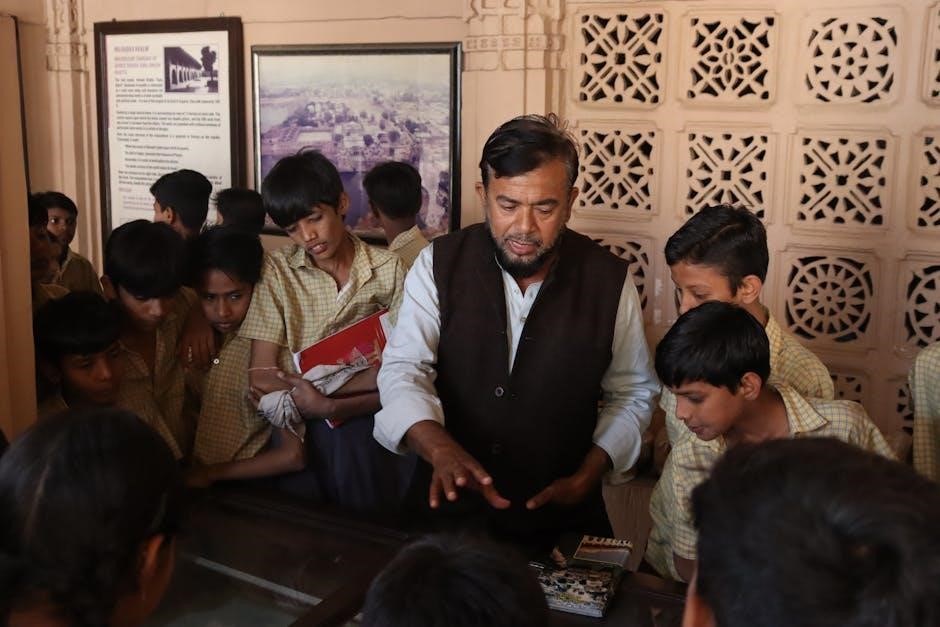
Getting Around Seoul
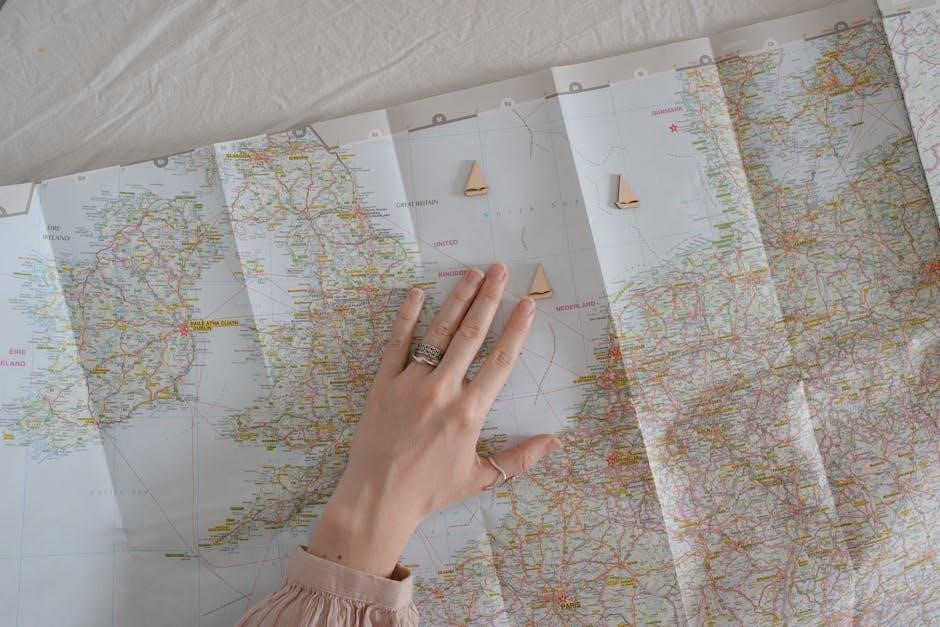
Seoul boasts an efficient transportation system! Utilize the comprehensive Seoul Subway‚ convenient buses‚ and readily available taxis for seamless exploration of the city.
Seoul Subway System: A Comprehensive Guide
Seoul’s subway is renowned for its cleanliness‚ efficiency‚ and extensive coverage‚ making it the backbone of the city’s transportation network. Comprising numerous lines‚ each identified by a number and color‚ navigating the system is surprisingly straightforward‚ even for first-time visitors.
Information is readily available in English‚ with clear signage and announcements. Consider purchasing a T-money card – a rechargeable transportation card – for convenient and discounted fares. These cards can be used on subways‚ buses‚ and even some taxis.
Subway cars are modern and comfortable‚ often equipped with free Wi-Fi. Peak hours can be crowded‚ but the frequent service ensures minimal wait times; Utilize subway apps or online resources to plan your routes and estimate travel times effectively. Transfers between lines are well-marked and generally easy to navigate‚ ensuring a smooth journey throughout the metropolis.
Buses in Seoul: Routes & Information
Seoul’s bus network complements the subway‚ reaching areas not directly served by rail. Buses are categorized into different types – blue (general)‚ green (trunk)‚ red (express)‚ and yellow (local) – each with varying routes and stopping patterns. Understanding these distinctions is key to efficient travel.
Like the subway‚ buses accept T-money cards‚ offering discounted fares. Real-time bus arrival information is available through apps and at bus stops‚ aiding in trip planning. English announcements are common on major routes‚ but familiarity with Korean numbers can be helpful.
While extensive‚ navigating the bus system can be more challenging than the subway for non-Korean speakers. However‚ with a little preparation and the aid of translation apps‚ buses provide a convenient and affordable way to explore Seoul beyond the subway lines‚ offering scenic routes and access to diverse neighborhoods.
Taxis in Seoul: Availability & Costs
Seoul boasts a plentiful taxi supply‚ readily available throughout the city‚ though peak hours can see increased demand. Taxis are categorized into standard‚ deluxe (black)‚ and international taxis (silver/white)‚ with varying fare structures. International taxis offer multilingual drivers‚ a significant benefit for tourists.
Fares are metered‚ with base fares increasing during late-night hours (midnight to 4 am) and on holidays. Tolls are typically added to the final fare. T-money cards can be used in most taxis‚ offering a slight discount. It’s generally polite to have the destination address written in Korean to show the driver.
While convenient‚ taxis can be more expensive than public transport. However‚ they provide a comfortable and direct option‚ especially for groups or when traveling with luggage‚ making them a valuable addition to your Seoul exploration toolkit.
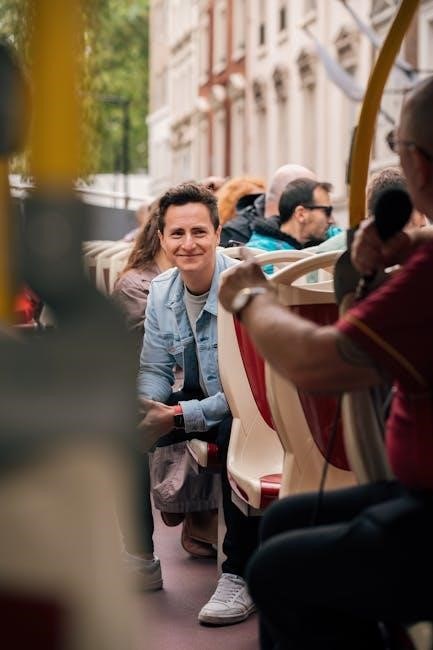
Seoul Pass & Tourist Discounts
Seoul offers fantastic savings with passes like Discover Seoul Pass and the customizable Pick 3 Pass‚ providing access to attractions and convenient travel options!
Discover Seoul Pass: Benefits & Options
The Discover Seoul Pass‚ directly operated by the Seoul Tourism Organization‚ is a comprehensive all-in-one solution for visitors. It grants free entry to a wide array of Seoul’s top attractions‚ eliminating the need for individual ticket purchases. This pass streamlines your sightseeing experience‚ saving both time and money.
Available as a convenient physical card or a mobile pass‚ the Discover Seoul Pass caters to diverse travel preferences. Options typically include passes valid for 24‚ 48‚ or 72 hours‚ allowing you to select the duration that best suits your itinerary. Beyond attraction access‚ some versions include transportation benefits‚ such as free rides on the subway or buses.
The pass is designed to be incredibly user-friendly‚ simplifying your exploration of Seoul. It’s an essential tool for maximizing your visit and experiencing the city’s rich cultural heritage and modern attractions without the hassle of individual ticketing.
Pick 3 Pass: Customizable Tourist Options
Responding to evolving tourist needs‚ the Seoul Tourism Organization launched the Pick 3 Pass – a new‚ cost-effective alternative to the Discover Seoul Pass. This innovative pass empowers visitors to curate their own sightseeing experience by selecting just three attractions from a diverse list.
Unlike fixed-itinerary passes‚ the Pick 3 Pass offers unparalleled flexibility; Travelers can choose attractions aligning with their specific interests‚ whether it’s historical palaces‚ vibrant shopping districts‚ or cultural experiences. This customization ensures a more personalized and rewarding journey through Seoul.
The Pick 3 Pass provides a budget-friendly option for those who prefer a focused itinerary‚ avoiding the cost of attractions they might not visit. It’s a smart choice for travelers seeking control over their spending and a tailored exploration of Seoul’s many wonders.
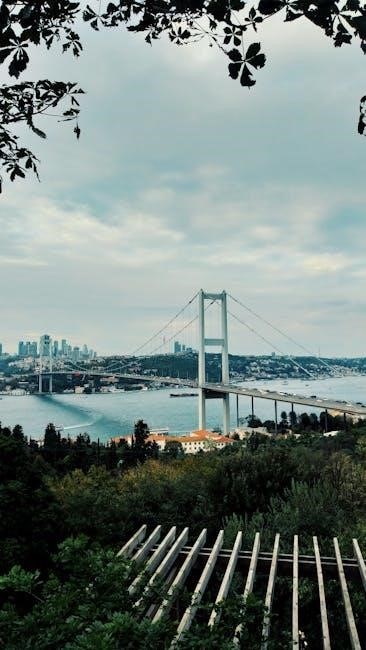
Cultural Etiquette in Seoul
Korean customs emphasize respect and politeness; understanding these nuances enriches your visit. Tipping isn’t customary‚ and showing deference is highly valued in Seoul.
Korean Customs & Manners
Korean culture deeply values respect for elders and those in positions of authority. When greeting someone‚ a slight bow is customary‚ with a deeper bow signifying greater respect. Using two hands when giving or receiving items – such as business cards or gifts – demonstrates politeness and sincerity.
Avoid writing someone’s name in red ink‚ as it traditionally signifies death. When using chopsticks‚ never stick them upright in your rice bowl‚ as this resembles incense offered to the deceased. Shoes are typically removed before entering homes and some traditional restaurants.
Public displays of affection are generally more reserved than in Western cultures. Be mindful of noise levels in public spaces‚ and avoid loud conversations. Understanding these customs will greatly enhance your interactions and demonstrate your respect for Korean traditions during your Seoul exploration.
Tipping in Korea: Is it Expected?
Generally‚ tipping is not customary in Korea‚ and it’s often not expected in restaurants‚ taxis‚ or hotels. Attempts to leave a tip may even be met with confusion or refusal! Korean service staff are typically well-compensated and pride themselves on providing excellent service as a standard practice.
There’s no need to add extra money for good service; a simple “kamsahamnida” (thank you) is greatly appreciated. While not traditional‚ tipping is becoming slightly more common in upscale hotels catering to international tourists‚ but it remains unnecessary.
Don’t feel obligated to tip tour guides‚ as they are usually paid a fixed rate. Focusing on expressing your gratitude verbally will be far more meaningful during your Seoul adventure. Respecting this cultural norm will demonstrate your understanding and appreciation of Korean customs.
Comments