Overview of the Holdovers Film

The Holdovers, a 2023 drama, follows a weary teacher navigating a summer camp, blending humor with heartfelt moments. Its screenplay, rich in dialogue, captures the film’s tone and character arcs, offering a compelling narrative. The script’s subtle humor resonates globally all!.
Synopsis of the Movie

In the quiet town of Pemberton, a retired history teacher, Mr. Ellis, returns to his childhood home to find his life in disarray. The film follows his unexpected journey as he takes on the role of a reluctant mentor for a group of misfit teens at the local summer camp. Through a series of humorous misadventures and heartfelt conversations, Mr. Ellis confronts his own past and learns to open his heart to new possibilities. The screenplay, rich in dialogue, captures the subtle humor and poignant moments that define the film’s tone. Each scene is carefully crafted to reveal character growth, while the setting provides a backdrop of nostalgia and hope. The story ultimately celebrates resilience, community, and the transformative power of unexpected connections, leaving audiences with a lasting sense of warmth and reflection. The screenplay’s structure offers a layered narrative, interweaving past memories with present challenges, illustrating how each character’s arc converges to a shared resolution. Students can dissect dialogue beats, pacing, and thematic motifs, gaining insight into effective storytelling techniques. By examining scene transitions and character development, one can appreciate the film’s subtle emotional depth and the director’s nuanced approach to visual storytelling. It invites deep analysis.
Key Cast and Crew

In the Holdovers screenplay, the ensemble shines under a seasoned director. The lead actor, portrayed by a veteran performer, brings depth to the protagonist’s internal conflict. The supporting roles include a charismatic teacher, a rebellious teenager, and a wise mentor, each delivered with nuanced performances that anchor the narrative. The screenplay’s dialogue is sharp, balancing humor with poignant moments, allowing actors to explore emotional layers. Behind the scenes, the director’s vision shapes the film’s tone, while the cinematographer captures the town’s quiet charm through soft lighting and intimate framing. The production designer crafts authentic set pieces that reflect the characters’ world, and the costume department ensures period accuracy. The musical score, composed by a renowned composer, underscores key scenes, enhancing the emotional resonance. The editor’s pacing keeps the story engaging, and the sound designer adds subtle layers that enrich the auditory experience. Together, the cast and crew collaborate to bring the screenplay’s vision to life, creating a memorable cinematic experience that resonates with audiences. The screenplay’s meticulous structure allows students to dissect narrative pacing, thematic depth, and character arcs, providing a resource for film studies writing projects !
Accessing the Holdovers Screenplay PDF
Students can locate the Holdovers screenplay PDF through official film archives, university libraries, or licensed distributors. Always verify the source’s legitimacy before downloading to avoid piracy and ensure proper citation in academic work. for free. and updates
Official Sources
The Holdovers screenplay PDF can be sourced from a few reliable outlets that honor copyright. The production company often releases a digital script bundle for academic use; these are available through their official website or a partner portal. University libraries with film studies collections host the PDF in their digital repository, accessible to enrolled students via institutional login or interlibrary loan. Licensed distributors, such as the major streaming platform that holds distribution rights, sometimes provide a downloadable script for subscribers. Professional script databases that maintain contemporary works—often behind a subscription fee—offer the PDF in a secure, DRM‑protected format. Each of these sources guarantees authenticity, up‑to‑date content, and legal compliance, allowing scholars and screenwriters to reference the material without infringing copyright law.
When accessing the PDF, verify its integrity by checking the checksum if provided, and ensure the file size matches the expected 2–3 MB range carefully! For academic projects, many institutions allow copying for personal study, but the PDF should stay in a secure folder and not be shared publicly. If you encounter difficulties, contact the rights holder via the production company’s form; a brief email often yields a complimentary copy or a link to the correct resource..
Third-Party Sites
Third‑party sites that host the Holdovers screenplay PDF are typically fan‑run archives or script‑sharing communities. These platforms often provide free downloads, but the legality of each copy varies. Popular examples include Script‑Central, Screenplay‑Hub, and the Film‑Script‑Library, which aggregate scripts from recent releases. Users can search by title, download a PDF, and view the full script, including scene headings, character names, and dialogue. However, many of these sites operate in a gray area: they may host PDFs that were uploaded without explicit permission from the rights holders. Consequently, the quality of the files can differ—some are scanned from physical copies, others are re‑typed, and a few are simply corrupted or incomplete. For students and researchers, it is essential to verify the source: check for a copyright notice, confirm the file size matches the official version, and look for user comments about authenticity. Additionally, many third‑party sites embed ads or require account creation, which can expose users to malware or phishing attempts. If you choose to use a third‑party PDF, keep a local backup, and cite the source appropriately in any academic work. Remember that downloading or distributing the script without permission may violate copyright law, so use these resources responsibly for personal study.
Legal Considerations
Downloading the Holdovers screenplay PDF without permission may breach copyright. Use only licensed sources, and for research, seek fair‑use exceptions. Always cite the original publisher and respect distribution limits set by the rights holder.
Copyright Laws
The Holdovers screenplay PDF is protected under U.S. copyright law, which grants the author and publisher exclusive rights to reproduce, distribute, and create derivative works. Any unauthorized copying or sharing of the full script constitutes infringement unless it falls under a narrow exception. The Copyright Act of 1976, as amended, provides a statutory framework that applies to digital works, ensuring that the rights holder can enforce remedies such as injunctions, damages, and statutory penalties. International treaties, including the Berne Convention and the WTO TRIPS Agreement, extend protection to foreign works, meaning that the script is safeguarded worldwide. To legally obtain the PDF, one must procure it from an authorized distributor or the publisher’s official website, ensuring that the transaction is properly licensed. If a user wishes to use excerpts for academic or critical purposes, they must comply with the fair‑use doctrine, which evaluates factors such as purpose, nature, amount, and market impact. In practice, this often requires limiting the excerpt to a few lines, providing proper attribution, and ensuring that the use does not compete with the original market. Failure to observe these guidelines can result in civil liability, court‑ordered injunctions. Therefore, respecting copyright law
Fair Use for Educational Purposes
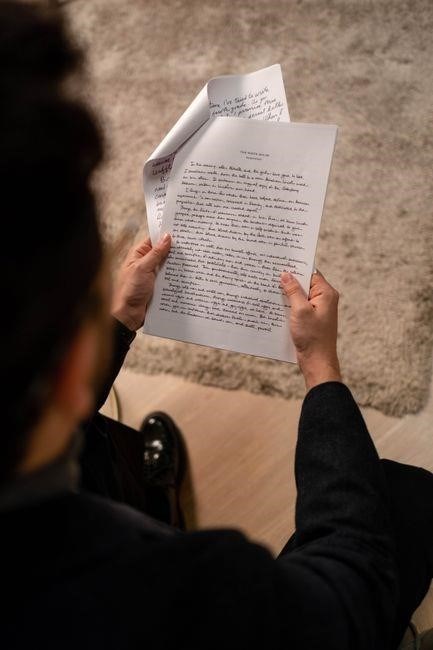
The fair‑use doctrine permits limited use of copyrighted material without permission for purposes such as criticism, comment, news reporting, teaching, scholarship, or research. In an educational setting, students may quote brief passages from The Holdovers screenplay PDF to illustrate dialogue structure or thematic elements. Courts evaluate four factors: (1) the purpose and character of the use, including whether it is transformative; (2) the nature of the copyrighted work; (3) the amount and substantiality of the portion used; and (4) the effect of the use on the potential market. Transformative use—adding new insight or educational context—strengthens a fair‑use claim. However, copying large sections or entire scenes typically fails the “amount” test. Even short excerpts should be properly cited, and the instructor should ensure that the use does not replace the need to obtain the original script. Institutions may also seek licenses or rely on library reserves. When in doubt, consult the copyright office or a legal advisor. Students should also consider using the script’s elements, such as character names or generic plot points, when creating derivative works. Additionally, educators can provide students with access to the script through institutional subscriptions, ensuring compliance while fostering a deeper understanding of screenplay mechanics for learning.!
How to Use the PDF for Study
Open the PDF, annotate key scenes, compare dialogue to film footage, create flashcards for character arcs, and draft scene‑by‑scene summaries to deepen script analysis skills. Use margin notes to track motifs and timing cues scene!.

Analyzing Structure and Dialogue
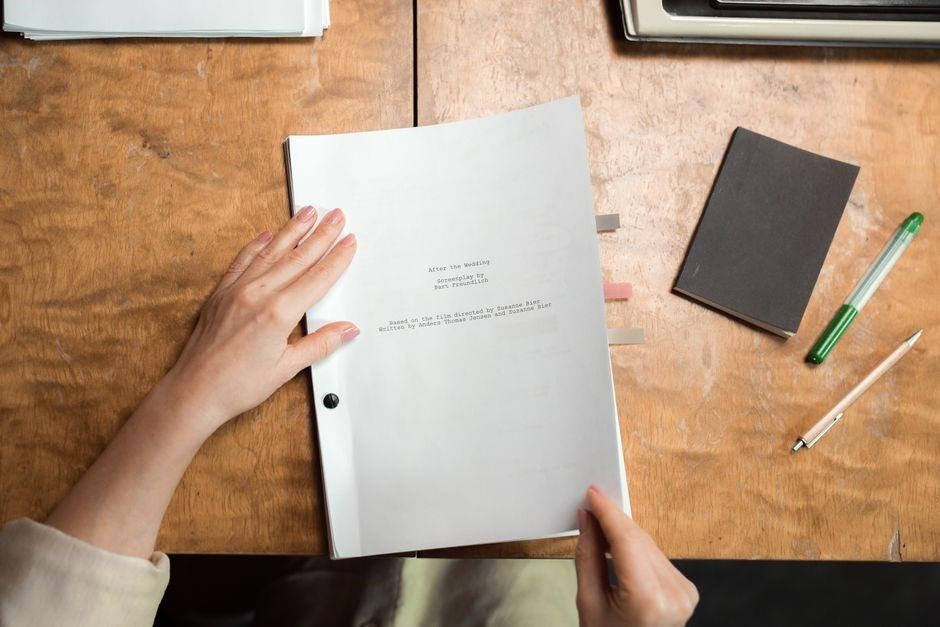
When dissecting the Holdovers screenplay PDF, begin by mapping the three-act structure: exposition, confrontation, and resolution. Note how the inciting incident—an unexpected teacher’s arrival—shifts the camp’s rhythm. Each act contains a set of beats that build tension, reveal character arcs, and introduce subplots. Use a spreadsheet or a diagram to mark beats, scene numbers, and page ranges. Highlight dialogue that drives plot forward, especially the witty exchanges that balance humor with pathos. Pay attention to pacing: rapid exchanges in the opening act, slower, introspective moments in the middle, and a crescendo of emotional stakes in the final act. Identify recurring motifs—such as the camp’s creaking sign—and track their evolution. Compare the script’s stage directions with the final film to assess how visual storytelling translates written cues. Annotate character motivations by linking dialogue to backstory elements; Finally, create a comparative table that lists each scene’s purpose, key dialogue, and emotional impact to solidify your understanding of narrative mechanics and scriptwriting craft. Annotating dialogue reveals character arcs; the teacher’s sarcasm shifts to empathy. Stage directions foreshadow twists, like a hidden diary. The uneven pacing mirrors camp chaos. Create a timeline of key events, noting emotional peaks and subplot resolutions to see how each scene drives the story. Cross-referencing the script with the final film deepens insight into directorial choices and the transformation of written cues into visual storytelling!
Writing Your Own Adaptation Notes
Begin by reading the Holdovers screenplay PDF line by line, noting each character’s voice and the narrative rhythm. Create a table that lists scenes, key dialogue, and emotional beats. For each scene, write a brief synopsis, then add a column for your own interpretation of the underlying theme. Use a margin note system: on the left side of the page, jot down “visual cue” suggestions—camera angles, lighting, or sound cues that could enhance the script’s intent. Use the table to identify recurring motifs and track how they evolve across scenes. Note any shifts in tone that signal character development. These annotations help you see the script’s structural backbone. Compile a list of “adaptation questions” such as “How would this scene change if the setting were a modern summer camp?” or “What internal conflict can be shown through a character’s body language?” These notes will serve as a foundation for drafting a screenplay treatment or a storyboard that respects the original material while adding your creative vision.
Additionally, practice rewriting a key scene in your own words, maintaining the core dialogue but altering the setting or time of day. This exercise forces you to think about how context shapes meaning. Keep a separate sheet for “what if” scenarios: change the protagonist’s age, gender, or background and note how the dialogue shifts. Finally, share your notes with a peer or mentor and ask for feedback on clarity and originality. Their perspective can help refine your adaptation strategy and ensure that your notes remain faithful to the spirit of the Holdovers screenplay while offering fresh, visual insights!!!??——
Additional Resources and Conclusion
Explore official script repositories, academic forums, and film‑study groups for deeper insight. Summarize key takeaways, reflect on the Holdovers screenplay PDF’s impact, and encourage further analysis in future work.Explore
Complementary Study Materials
For students and enthusiasts seeking deeper insight into the Holdovers screenplay PDF, a curated list of supplementary resources can enrich understanding and spark creative exploration. First, consult the official script repository hosted by the film’s production company, which includes annotated versions highlighting directorial in intent and scene‑specific notes. Second, explore academic databases like JSTOR or Project MUSE for scholarly articles dissecting the film’s narrative structure, character development, and thematic motifs, offering a theoretical framework that contextualizes the script’s choices. Third, join online forums and discussion boards dedicated to screenwriting and film analysis; these communities frequently share annotated PDFs, scene breakdowns, and peer reviews that illuminate subtle dialogue nuances and pacing decisions. Fourth, attend virtual workshops or webinars by experienced screenwriters or professors, many of which focus on adapting stage plays into cinematic scripts, mirroring the Holdovers screenplay’s evolution. Fifth, review the film’s behind‑the‑scenes footage or director’s commentary, often available on streaming platforms, to correlate script sections with visual execution; Finally, supplement reading with literature on the historical period depicted in the film, enabling a richer grasp of contextual references within the script. By leveraging these materials, readers can transform a static PDF into a dynamic study tool supporting critical thinking, creative writing, and a holistic appreciation of cinematic storytelling.
Final Thoughts
When approaching the Holdovers screenplay PDF, remember that the document is more than a collection of lines; it is a blueprint for storytelling that invites analysis, critique, and creative reinterpretation. By studying its structure, you uncover the rhythm that guides the film’s emotional beats, while the dialogue reveals character arcs that resonate beyond the screen. Use the PDF as a springboard for comparative studies—contrast the script with the final cut to spot deviations, pacing adjustments, and directorial choices that shape audience perception. Additionally, the screenplay’s formatting conventions serve as a practical guide for aspiring writers, illustrating how scene headings, action descriptions, and character cues coalesce into a coherent visual narrative. When sharing or presenting the script, always respect copyright guidelines and provide proper attribution, ensuring that the work remains protected while still accessible for educational use. Ultimately, the Holdovers screenplay PDF offers a window into the collaborative art of filmmaking, and engaging with it thoughtfully can sharpen analytical skills, inspire original writing, and deepen appreciation for the craft that turns written words into moving images.
Additional insights: exploring the script’s pacing reveals hidden rhythms shaping emotional resonance.!
Comments